




In recent years, government audits have caused home health agencies to pay millions of dollars in fines. According to reports from the Office of Inspector General (OIG), errors in documentation, billing mistakes, and noncompliance with federal regulations are among the most common reasons agencies are fined or lose reimbursement.
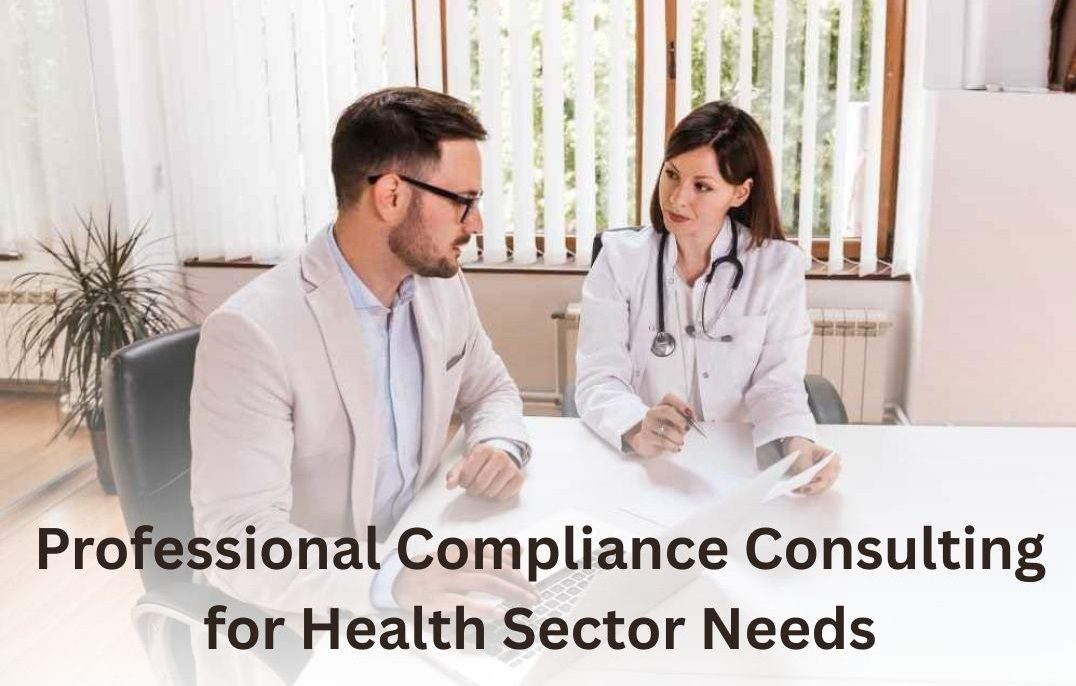
Regulations are constantly changing, and for a home health agency, it is really challenging to stay updated while managing staff, billing, meeting quality standards, and maintaining smooth operations. Therefore, agencies should get the necessary help from a healthcare compliance specialist to successfully pass audits. They help you stay ahead of regulations, prepare your staff, and give you confidence that your agency is operating safely and legally. In this blog, we will share seven signs that indicate you may need a compliance consultant for home health agencies right now.
Struggling With Compliance Issues? 7 Clear Signs Your Home Health Agency Needs Guidance From a Compliance Consultant
1. Documentation errors are on the rise
Documentation is the backbone of compliance. Every patient visit, care plan, and treatment record must be accurate and complete. If your agency often struggles with missing signatures, incomplete visit notes, or mismatched billing codes, you create risks that auditors will quickly catch. These errors may lead to denied claims, financial penalties, or even accusations of fraud. A healthcare compliance specialist helps you set up better documentation systems, train your staff to follow them, and minimize mistakes that could cost your agency.
2. Employees feel unsure about regulations
Your employees play the most important role in keeping your agency compliant because they are directly involved in patient care and documentation. However, healthcare regulations often change without any prior notice, which usually leads to confusion among caregivers. They may be unsure about what details they should enter in patient charts, how to correctly implement billing requirements, or what actions may violate compliance standards. This uncertainty always leads to an increased risk of errors, denied claims, and audit findings. A compliance consultant for home health agencies helps clear up this confusion. They provide training sessions, create step-by-step guidelines, and answer employee questions, so your team can work with clarity and confidence.
3. Audit preparation creates stress
Many agencies feel stressed when an audit notice arrives. Leaders rush to gather documents, review patient files, and correct errors within tight deadlines. This reactive approach often leads to preventable mistakes that harm your agency’s credibility. Instead of waiting until the last minute, you can choose to prepare throughout the year. A home health compliance consultant helps you create systems that keep your records up to date and your staff trained. This keeps your agency’s working members confident during an audit.
4. High Staff Turnover Affects Compliance
Employee turnover is common in healthcare, but it creates major challenges for compliance. Each time staff leave, new employees must learn the agency’s standards for documentation, reporting, and patient care. If the onboarding process is weak, compliance errors multiply. Over time, this creates gaps that auditors can easily identify. A compliance consultant designs structured training programs for new hires and refresher programs for existing staff. By standardizing education and accountability, they protect your agency from compliance lapses caused by turnover.
6. Reporting Deadlines Are Missed Often
Timely reporting is essential for compliance. Government agencies and payors require reports to be submitted on time, and late submissions can result in financial penalties or delayed payments. If your agency frequently misses deadlines, it shows that your compliance system is weak. A home health compliance advisor helps set up reminders, tracking systems, and staff accountability processes to ensure reports are always filed correctly and on schedule. By staying on top of reporting, your agency avoids penalties and maintains steady cash flow.
5. Patient Complaints Start Increasing
When patients or their families begin voicing more concerns, it often signals deeper issues with compliance. Complaints may involve missed visits, inconsistent care, delayed responses, or unclear communication. This type of feedback can prompt a closer review from regulators. A healthcare compliance specialist can help you connect patient care with compliance requirements. They assess how your agency tracks visits, records follow-ups, and handles communication. This improvement reduces complaints and strengthens trust between your agency and the people you serve.
7. Leaders Feel Uncertain About Compliance
As a leader, you carry the responsibility of ensuring your agency operates within the rules. If you regularly feel unsure whether your policies are strong enough or worry that staff may be missing steps, that uncertainty itself is a warning sign. Waiting for an audit to confirm your doubts can be costly. You should immediately contact a compliance consultant for home health agencies to gain clarity. They review your operations, point out risks, and show you practical steps to fix them. This guidance replaces doubt with confidence and allows you to focus on expanding your agency and delivering reliable care.
Final Advice!
If you see these signs in your agency, this is the right time to seek expert guidance. Shannon Jackson, The People’s Nurse, is a trusted healthcare compliance consultant who has helped many home health and hospice agencies strengthen their processes, prepare their staff, and face audits with confidence. Her practical approach focuses on building systems that work in the real world, so you can spend less time worrying about compliance and more time delivering compassionate care.
When you partner with a healthcare compliance specialist like Shannon Jackson, you protect your agency’s future and give your team the support they need to succeed.