





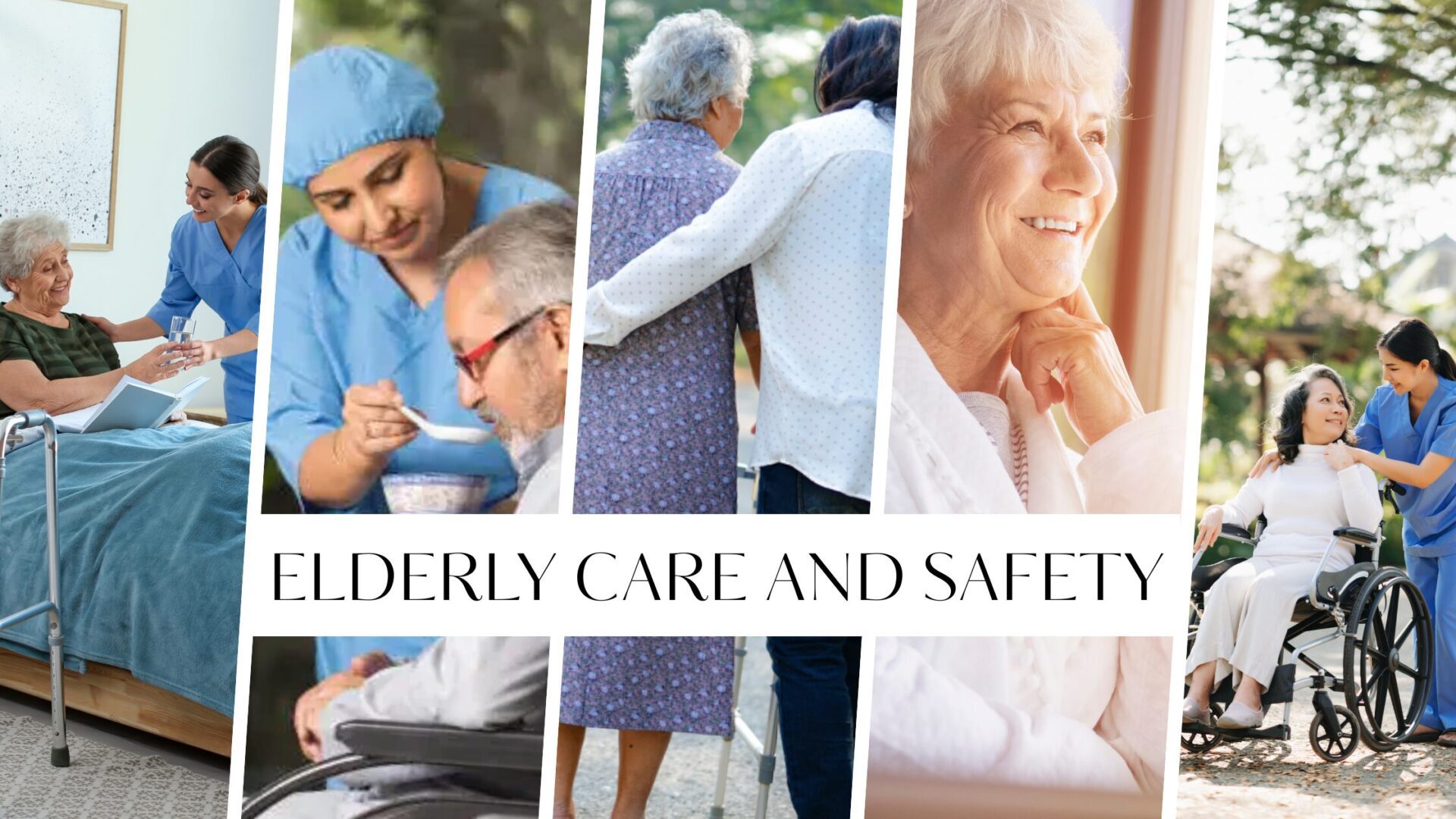
Growing old is a natural stage of life, yet it often comes with challenges that need extra care and support. Many families worry about their aging parents or grandparents and wonder if they are safe, comfortable, and receiving the proper care. Nurses, health coaches, and healthcare advisors play a vital role in guiding families and helping elderly individuals live with dignity, independence, and safety. If you are a nurse, caregiver, or someone planning a career in health coaching services, knowing the best practices for elderly care is essential.
In this blog, we will explore some of the most effective nursing practices that protect seniors and support their overall well-being.
Why Elderly Care Requires Special Attention
Elderly care is different from other forms of healthcare. As people age, their bodies become more sensitive, their immune systems weaken, and their risk of falls, injuries, and chronic diseases increases. Many seniors also experience memory loss, hearing difficulties, and emotional challenges such as loneliness. Nurses and caregivers need to recognize these concerns and provide personalized care. A good healthcare advisor always reminds families that elderly care is not just about medical treatment—it is about creating an environment where seniors feel safe, respected, and valued.
A good healthcare advisor always reminds families that elderly care requires much more than medical treatment. It’s about creating an environment where seniors feel safe, respected, and valued.
Best Care Practices Every Nurse/Caregiver Should Follow for Seniors
1. Prioritizing Safety in Daily Activities
One of the most important nursing practices for elderly care is ensuring safety at home and in care facilities. Falls are the leading cause of injury among older adults. To reduce risks:
Keep floors clear of clutter and use non-slip mats.
Make sure rooms are well-lit, especially at night.
Encourage seniors to wear supportive footwear instead of slippers that can slip off.
Install grab bars in bathrooms and railings along staircases.
A nurse or healthcare advisor should also assess mobility and suggest the use of walking aids when needed. These minor adjustments create a safer environment and protect seniors from avoidable accidents.
2. Medication Management with Accuracy
Taking the right medicine at the right time is critical for older adults. Many seniors rely on several prescriptions, and forgetting a dose or mixing up medicines can create health risks. Caregivers can help by setting up a clear routine, using a pill organizer, and keeping a checklist for daily use. Regularly checking expiry dates and watching for side effects also prevents problems. Healthcare advisors should encourage families for elderly health coaching as it helps them understand the importance of proper medication management.
3. Encouraging Proper Nutrition and Hydration
Healthy eating supports strength, immunity, and energy in older adults. Yet many seniors find it difficult to eat well because of chewing problems, poor appetite, or lack of interest in cooking. Simple, balanced meals that are easy to chew and digest make a big difference. Fresh fruits, vegetables, proteins, and whole grains help maintain overall health. Hydration is just as important as dehydration can cause fatigue, confusion, or dizziness. Caregivers should encourage regular water intake throughout the day. A thoughtful approach to food and fluids can greatly improve the well-being of elderly individuals.
4. Supporting Mental and Emotional Well-being
Elderly care is not complete without addressing mental health. Many seniors feel lonely when they spend most of their time alone. Caregivers can make a big difference by talking with them, listening to their stories, and showing kindness. Simple activities like reading together, gardening, or playing music can bring happiness. Encouraging regular contact with family and friends also helps them feel connected. When seniors receive emotional support, they stay calmer, happier, and more confident in daily life.
5. Regular Health Monitoring and Preventive Care
Regular check-ups and monitoring help identify problems before they become serious. Checking blood pressure, sugar levels, and other vital signs provides early warnings of health issues. Caregivers should also look out for changes in sleep, appetite, or mood, as these can signal deeper concerns. Preventive steps such as vaccinations and routine screenings further protect seniors from illness. Staying consistent with these practices ensures that problems are caught early, allowing for timely treatment and better quality of life.
6. Promoting Independence While Providing Support
Aging does not mean losing independence. Best practices in nursing encourage seniors to perform daily activities as much as possible, while providing support where needed. For example, a nurse may allow a senior to dress themselves but assist with difficult buttons or zippers. This balance helps seniors maintain confidence and dignity. Health coaching services often include training for families on how to encourage independence safely.
Final thoughts
Caring for the elderly requires patience, compassion, and proper guidance along with medical treatment. If you are looking for trusted advice to enhance elderly care, Shannon Jackson, The People’s Nurse, can guide you. As a CDC-approved healthcare partner, she shares evidence-based methods that help nurses and caregivers provide safer and higher-quality care.
Reach out to Shannon Jackson to apply proven practices, gain professional support, and create a safer and healthier life for seniors while giving families peace of mind.