






Every day, people spend hours scrolling through social media, often without noticing how much it affects their emotions. For some, it provides laughter, inspiration, and a sense of connection. For others, it becomes a place where loneliness and comparison grow stronger. When someone already feels overwhelmed, social media can exacerbate those feelings and push them deeper into despair. Suicide, which affects millions of families worldwide, is deeply linked to people’s use of digital platforms today. Understanding this impact can help us protect our mental health and create safer online spaces.
Silent Weight of Social Media
Social media often shows only the best side of life: perfect photos, happy milestones, and success stories. For someone who feels left out, these images can deepen feelings of inadequacy.
On the other side, social media can be a place where bullying, rejection, and harsh comments grow unchecked. Hurtful words online can cut just as deeply as those spoken in person, sometimes even more so because they echo in public. For vulnerable minds, this pressure can fuel despair.
At the same time, social media holds real potential for good. It creates communities where people share recovery stories, exchange words of encouragement, and connect with a mental health coach, life coach, or personal coach who can guide them with empathy and structure. The same tool that causes harm can also bring healing, depending on how it is used.
How the Internet Deepens Feelings of Isolation
When someone feels isolated, social media often turns into a place where they seek comfort. They may look for answers, approval, or a sense of connection. Some people even express their pain through posts that hint at sadness or hopelessness. Social media platforms use systems, called algorithms, to decide what a person sees on their feed. These systems track what people click, watch, or search for, and then show them more of that same type of content. If someone searches for or engages with negative or harmful posts, the platform keeps suggesting similar content. This constant exposure can trap a person in a cycle that reinforces their pain, making it harder to see positive messages and more challenging.
Young people, employees under high stress, and those without strong family or community support face higher risks. In such situations, guidance from a mental health coach or life coach can create a turning point. Coaches help people set healthier boundaries, process difficult emotions, and strengthen coping skills that protect against online negativity.
How You Can Notice and Help
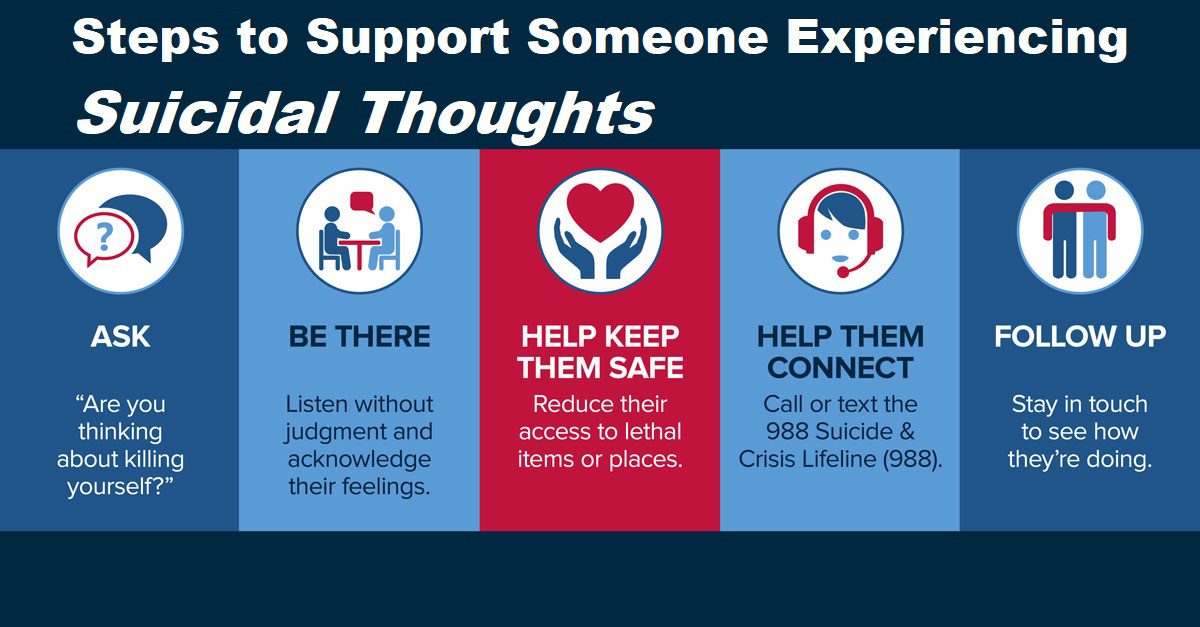
You may not realize it, but you already have the power to notice when someone is struggling online. Social media often gives small signals that something is wrong. A friend who used to post regularly may suddenly go silent. Someone may begin sharing sad quotes, hopeless thoughts, or darker content than usual. These changes are not random. They are signs that the person may feel overwhelmed and in need of support.
When you see these signals, reach out with care. Send a message that shows you are present, such as “I care about you” or “I am here if you want to talk.” Simple words can create a safe space for conversation. Encourage them to seek guidance from a mental health coach or healthcare professional who can provide steady support. In the workplace, leaders can create safer environments by inviting a corporate health coach to guide teams in building resilience and promoting well-being.
Final Thoughts
Social media is not going away. It will continue to shape the way people feel, connect, and see themselves. What can change is how we use it. We can share words that uplift, notice when someone shows signs of struggle, and encourage them to seek support from a health coach. Workplaces can take responsibility too by investing in corporate health coaches who create healthier environments for employees.
If you see signs of struggle, do not stay silent. Begin a gentle Conversation to remind them that their life has value. Encourage them to seek help from healthcare professionals who can provide guidance and support. Together, we can make digital spaces safer and help more people find hope instead of despair.
Read more blogs of LYLWL: Blog Posts