







Hearing that a loved one(parent, partner, friend, sister, brother) has Alzheimer’s can feel like the ground has shifted under your feet. Questions arise instantly: What happens next? How do we care for them? Will we be able to manage the changes? At this turning point, clear guidance is essential. As nurse leader Shannon Jackson often shares, “Do not wait. Ask questions, seek medical advice, and lean on the resources around you.” Families who take early steps build a stronger foundation for care and give patients a better quality of life.
Here are five essential actions families and caregivers should prioritize right after an Alzheimer’s diagnosis.
1. Meet with a Specialist and Create a Care Plan
The diagnosis often begins with a primary care doctor, but families should consult specialists promptly. Neurologists, geriatricians, and memory care clinics provide detailed assessments, explain the stage of Alzheimer’s, and recommend treatment strategies. Medications may help manage symptoms, but lifestyle guidance also plays a role.
Bring a notebook to appointments and write down the doctor’s recommendations. Ask about diet, sleep routines, and therapies that may help maintain independence longer. Families who work closely with a health advisor or health coach often find it easier to turn medical advice into daily routines. This early planning provides direction and reduces uncertainty.
2. Learn About Alzheimer’s Beyond the Diagnosis
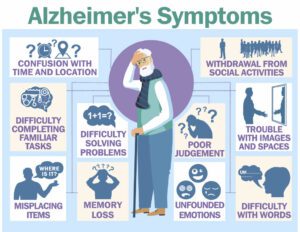
Families must understand what Alzheimer’s means in everyday life. The illness does not affect memory alone; it influences decision-making, emotions, and even physical health. Learning about warning signs, behavioral changes, and safety risks prepares caregivers to respond with patience and care.
Resources such as the Alzheimer’s Association, community workshops, and hospital education programs are excellent starting points for learning more about Alzheimer’s disease. Many families also find it helpful to consult a mental health coach who can simplify complex information and give caregivers coping strategies. The more you learn, the better equipped you are to protect your loved one and yourself.
3. Build a Reliable Support Network
Caring for someone with Alzheimer’s is challenging, so families should start by determining who can share responsibilities. This might include close relatives who can take turns caring for them, friends who can provide occasional care, and community groups that offer resources. When daily care becomes overwhelming, professional support such as home care services or community health programs can provide relief. As Shannon Jackson often says, “Caregivers need guidance as much as patients need care.” You can also include a health advisor or mental health coach in this network to ensure that patients and caregivers get the support they need.
4. Handle Medical, Legal, and Financial Planning While Time Allows
One of the most practical steps after a diagnosis is to organize important documents. Families should collect medical records, insurance policies, and bank details in a single place. Legal arrangements such as powers of attorney, advance healthcare directives, and wills should be discussed while the patient can still share their wishes.
This stage can feel uncomfortable, but planning early protects the patient’s dignity and ensures decisions are made with respect. Involving professionals like elder law attorneys or financial planners helps prevent future stress. A health advisor can also remind families about key paperwork and keep everything on track.
5. Create a Safe and Supportive Daily Environment
Safety becomes a concern from the very beginning of Alzheimer’s care. Families should take necessary steps to optimize the home environment. This may include securing doors and windows, labeling everyday items, improving lighting, and eliminating fall hazards. Patients benefit when routines are predictable and straightforward, as this reduces confusion.
Advance planning for monitoring is also important. Families should discuss how to respond to emergencies, disorientation, or sudden changes in behavior. Developing a structured daily routine helps maintain safety while also allowing the patient as much independence as possible.
Final Thoughts!
The first few days after an Alzheimer’s diagnosis are indeed challenging, but there’s no choice but to move forward and take the necessary steps. This journey requires patience, preparation, strength, and compassion. Caregivers should focus on what they can do today, not on what seems beyond their reach. Every step, whether it’s arranging medical guidance, creating a safe environment, or gathering support, makes this journey less overwhelming.
Follow Us: