





People deal with constant interruptions throughout the day. Someone wants to talk while you try to focus on work. A family member asks for help while you are still processing your own thoughts. A colleague expects quick replies even when your mind feels tired. These small moments seem normal on the surface, yet they slowly drain your patience and build silent stress in your relationships. Many people feel guilty for wanting a little time alone, while others feel hurt when someone asks for space.
As a Global Health Consultant, Shannon Jackson often observes how this daily overload affects emotional health and shapes how people respond to one another. She explains that the mind cannot stay calm when it feels crowded all the time. This is why personal space is essential for emotional safety. When people receive the time they need to recharge, their conversations become clearer, and their reactions become kinder. They listen better, think more clearly, and support each other with more patience.
What Personal Space Really Means
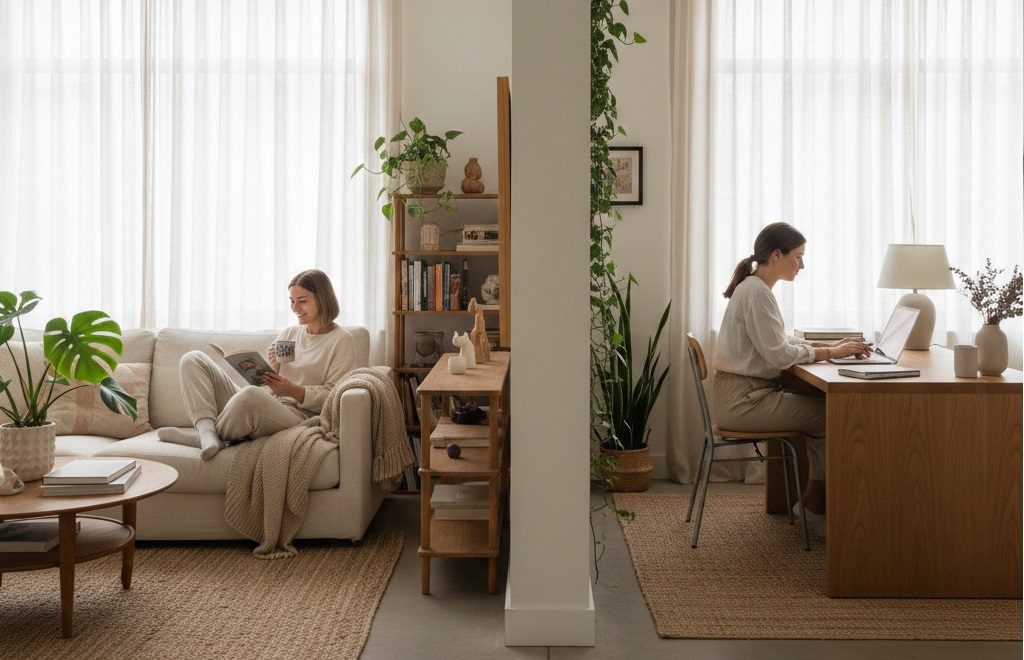
Personal space is not limited to physical distance. It extends into emotional, mental, and social spaces. Everyone has different comfort zones based on their personality and experiences. It helps them recharge, think, or rest their mind. This space looks different for everyone. Some people need silence after a long day. Some need time alone before they talk about a problem. Others need short breaks during work to regain focus.
Personal space includes:
- Quiet time to think
- A moment to recharge after work
- Freedom to share thoughts without judgment
- Respect for personal boundaries in conversations
- Respect for physical comfort
- Respect for digital boundaries such as message timing and privacy
When this space feels respected, the mind stays calm. Stress reduces. Communication becomes easier. Trust grows naturally.
How Personal Space Strengthens Relationships at Home
Personal space brings emotional comfort into a home. When each person gets a little time for themselves, they think more clearly and respond with a softer tone. This improves comfort inside the house and reduces unnecessary emotional tension. Many people even consult a life or health counsellor when relationships start to feel heavy. It helps them understand their emotions and gives them simple ways to protect their peace without hurting anyone around them
You see these benefits at home when personal space is respected:
Fewer arguments because people get time to settle their thoughts before speaking.
Stronger trust as partners, parents, and children feel valued and not controlled.
Better emotional balance since everyone receives moments to rest or recharge.
Smoother communication because conversations begin from a stable and relaxed state.
Healthy independence where each person grows through their own interests and routines.
These simple acts of space create a home where love feels easier, patience comes naturally, and relationships grow with more stability.
How Personal Space Improves Work Relationships
Workplaces function smoothly when people respect each other’s time, focus, and mental energy. Pressure builds when someone faces constant interruptions, tight deadlines, and unexpected demands. Personal space reduces this pressure and helps colleagues communicate in a healthier and more productive way.
Many corporate spaces even invite health coaches to guide employees because they know that emotional balance improves performance. This guidance encourages people to slow down, breathe, and return to their tasks with a clear mind. When a team receives this kind of support, they solve problems faster, listen to each other with more patience, and share ideas more systematically. Personal space helps everyone work calmly, confidently, and with steady focus.
Signs That Personal Space Is Missing
Sometimes people do not realize that their relationships feel tense because there is a lack of personal space. Here are simple signs that help you understand the situation.
- You feel irritated without a clear reason.
- Your partner or colleague withdraws during conversations.
- You sense emotional heaviness during everyday moments.
- You struggle to process your own feelings.
- You feel overwhelmed by constant interaction.
- You avoid certain people because they drain your energy.
These signs indicate that you need more space, or that someone close to you does.
How to Develop Personal Space
Developing personal space is a healthy practice that supports emotional clarity and stronger relationships. It does not require major changes. It grows through small, consistent habits that help you understand your own needs and the needs of others. You can begin this process in a simple and gentle way.
1. Understand your emotional limits
You need to know when your mind feels tired or overloaded. Notice when you lose patience quickly or when your thoughts feel scattered. These signs show that you need space.
2. Communicate your needs clearly
People around you understand you better when you express yourself honestly. You can say, “I need a few minutes to settle my thoughts” or “I will talk after I finish this task.” Simple statements like these create healthy expectations and prevent misunderstandings.
3. Set gentle boundaries at home
You can let your family know the time of day when you need personal space. It can be the first few minutes after waking up, ten minutes after returning from work, or a quiet moment before sleeping. These routines help everyone adjust and respect your needs.
4. Build habits that protect your energy
Healthy routines such as slow breathing, mindful pauses, or short breaks during the day help your mind stay grounded. When your energy stays steady, you naturally protect your personal space without conflict.
5. Limit unnecessary interruptions at work
You can tell your colleagues when you need to focus. You can mute notifications during certain hours or request uninterrupted time for essential tasks. When you control your environment, your mind gets clarity.
Final Thoughts
Respecting personal space is a simple habit that brings powerful change into relationships. It helps you protect your peace, understand others with more compassion, and support healthier emotional connections. If you want guidance on building healthier habits or strengthening your emotional well-being, you can learn directly from Shannon Jackson, a Global Health Consultant. She helps individuals understand their emotional needs and develop practical steps that support balanced and meaningful relationships. You can connect with her via call or email.