






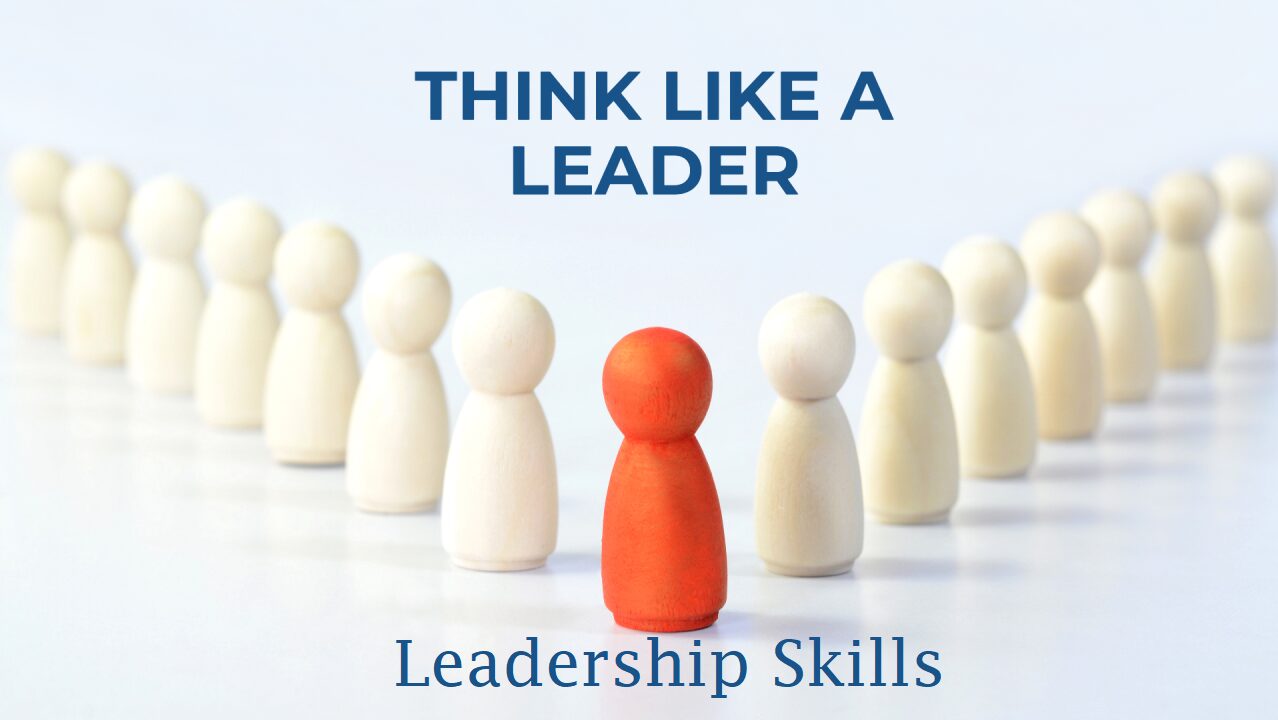
Your thinking shapes every result you see in your work and career. Before any decision becomes action, it begins as a thought. Many professionals try to improve performance by working harder. They rarely stop to improve how they think.
“Quality of your thinking decides the quality of your leadership.”
I learned this early in my own leadership journey. Great leaders across history followed simple but powerful thinking patterns. They did not wait for perfect conditions. They trained their minds to see clearly and act with purpose. You can do the same. Let me walk you through seven mindset shifts that I share with clients and teams. These shifts help leaders think better and lead better. You can use them in daily work, team meetings, and major decisions.
1. Leaders Train Their Minds to Stay Clear Under Pressure
Pressure is part of leadership. What separates leaders from others is how they think when pressure shows up. Many professionals rush to respond because silence feels risky. In reality, rushed thinking creates bigger problems later.
I have seen leaders make better decisions once they learn to slow their minds, even for a moment. Clear thinking starts when you stop reacting and start observing. Ask what is actually happening instead of responding to noise. This mental pause allows logic to replace stress.
Leadership thinking skills grow when you practice calm thinking daily. You do not need a crisis to train this habit. Use it in meetings, emails, and conversations. Clear minds create better decisions, and better decisions earn trust.
2. Leaders Decide What Deserves Their Energy
Many professionals spend their day responding to whatever appears first. Messages, calls, and small requests start to control the schedule. By evening, they feel tired but unsure of what they truly moved forward. Leaders think differently. They decide where their energy should go before the day begins.
I guide leaders to identify the work that actually changes results. Not every task deserves equal attention. Some tasks support long-term goals. Others simply keep the day busy. Leaders learn to give their best thinking time to the work that shapes outcomes. They also learn to say no or delay work that does not move the team forward.
This mindset protects focus and improves decision quality. Leadership thinking skills grow when you stop letting urgency lead you and start letting purpose guide you.
3. Leaders Regulate Their Thinking During Stress
Stress changes the way people think. Under pressure, the mind narrows, and decisions become reactive. Many leadership mistakes happen not because of poor intent, but because stress takes control of thinking.
Leaders train themselves to notice stress without acting on it immediately. They give themselves space to process information before responding. This small shift helps logic replace emotion. It also prevents words and actions that need correction later.
I often guide leaders to focus on mental discipline during stressful moments. Calm thinking improves clarity. Clear thinking improves decisions. Teams respond better when leaders stay composed and thoughtful, even in times of uncertainty.
4. Leaders Take Responsibility Without Blame
Leadership does not mean everything will go right. It means you take responsibility when things do not. Many professionals look for reasons outside themselves when results fall short. Leaders look inward first.
Taking responsibility does not mean taking all the blame. It means owning the decision-making process. When leaders accept responsibility, teams learn to do the same. This creates a culture of honesty and improvement.
From my experience as a global leadership coach, accountability builds credibility faster than authority. When people see leaders stand by their decisions, trust grows, and it improves performance and long-term results.
5. Leaders Strengthen Systems Instead of Repeating Fixes
A recurring problem is not a people issue. It is often a system issue. Many teams fix problems quickly and move on. The same issues return because the real cause never gets addressed. Leaders train themselves to look beyond the surface.
When something goes wrong, leaders review the process behind it. They ask if the instructions were clear. They check if timelines were realistic. They look at how information moves between people. This thinking improves systems instead of patching mistakes.
I remind leaders that strong systems reduce stress and improve performance. When processes become clear and reliable, teams work with confidence. Leadership thinking skills improve when you focus on building better structures instead of applying temporary fixes.
6. Leaders Balance People and Performance
Leadership requires attention to both people and performance. Some leaders push for results and ignore how people feel. Others focus on comfort and avoid accountability. Neither approach supports long-term success.
Leaders think about how decisions affect both outcomes and morale. They set clear expectations and provide support simultaneously. This balance helps teams stay motivated and responsible.
In my experience as a leadership advisor, teams perform better when the leader explains what needs to be done, why it matters, and shows respect for effort. When people feel guided and valued, they stay committed to shared goals. Strong thinking skills help leaders maintain this balance every day.
7. Leaders Think in Terms of Growth, Not Just Completion
Completing tasks feels satisfying. Leadership requires more than completion. It requires growth. Leaders think about how each decision helps people improve and how each step builds future strength.
I advise leaders to review their week and ask simple questions. Did this decision help someone grow? Did it make our process stronger? Did it prepare the team for what comes next? These questions shift thinking from short-term output to long-term progress.
Growth-focused thinking keeps teams adaptable and confident. It prevents stagnation. When leaders think this way, results improve steadily. Leadership thinking skills expand when you look beyond finishing work and focus on building capability for the future.
Final Say!
Learning to think like a leader does not require years of trial and error. It requires the right guidance and focused time to understand how strong leaders approach decisions, pressure, and responsibility. In just two hours, you can change your thinking pattern.
Shannon Jackson, a global leadership consultant, is hosting a live two-hour workshop where she will guide you through practical leadership thinking skills you can apply immediately. This session is designed for professionals who want to grow into stronger leadership roles without waiting for the perfect moment.
You can join this workshop by following this link: Leadership Masterclass 2026