






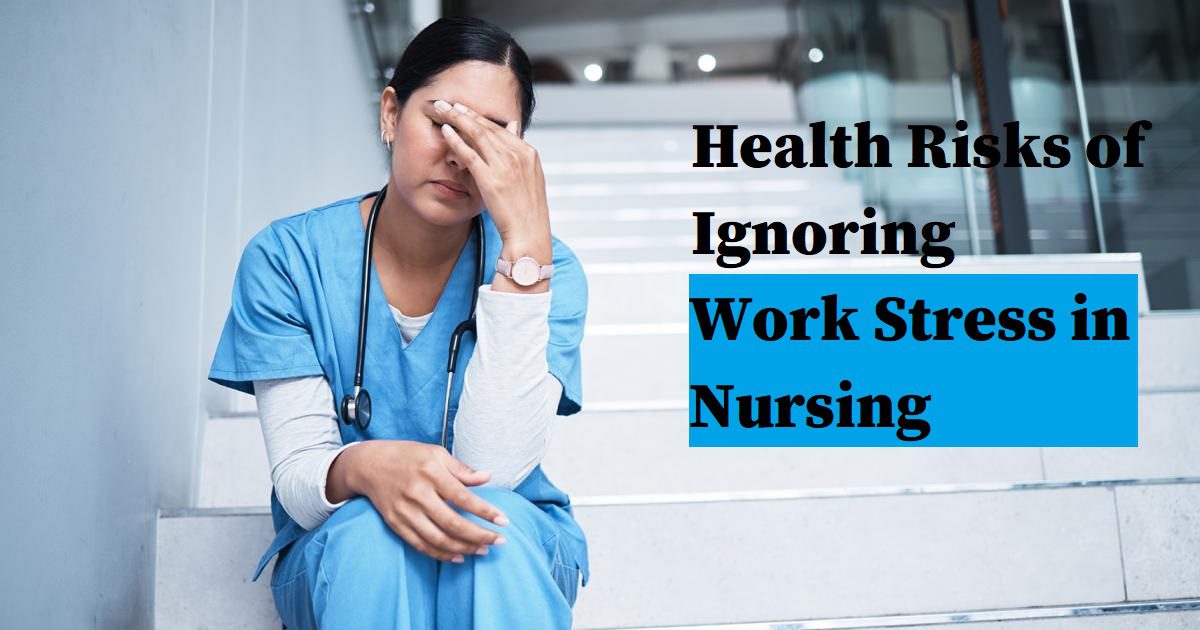
Are you experiencing frequent headaches, irritability, or emotional numbness? If these signs sound familiar, you might be dealing with unaddressed work stress.
Nursing is one of the most demanding professions in the world. Nurses care for others around the clock, handle emotionally intense situations, manage emergencies, and often deal with under-resourced systems. While most nurses accept stress as part of the job, ignoring it for too long can lead to serious and lasting health problems—both physical and emotional.
In this blog, we will look closely at the health risks of chronic work stress in nursing, the signs to watch for, and why self-care is a necessity for survival in this profession.
1. Chronic Work Stress Can Lead to Anxiety, Depression, and Burnout
When stress becomes a regular part of your day, it begins to affect your mental well-being. The constant exposure to patient suffering, emergencies, trauma, and high-pressure tasks can leave you emotionally drained. Over time, this state of emotional exhaustion may lead to clinical mental health conditions.
Anxiety in nurses often appears as excessive worrying, racing thoughts, or feeling constantly on edge. You may find it difficult to relax even after leaving the hospital or clinic.
Depression can make you feel emotionally flat, disconnected from patients, or uninterested in activities that once brought you joy. You may feel a deep sense of hopelessness or guilt, even when you’re doing your best.
Burnout is another serious consequence. It shows up as:
- Emotional detachment from your work or patients
- Reduced professional satisfaction
- A sense that no matter how much you do, it’s never enough
- Physical exhaustion that doesn’t improve with rest
These mental health conditions do not resolve on their own. If left unaddressed, they may lead to more severe outcomes such as withdrawal, self-isolation, or even suicidal thoughts.
2. Physical Health Suffers Under Constant Stress
Work stress also makes a drastic impact on your body. When you’re constantly under pressure, your body stays in a state of alert, pumping stress hormones like cortisol and adrenaline into your bloodstream. These hormones, when released occasionally, help the body respond to threats. But when released continuously, they harm vital systems.
Prolonged exposure to stress can result in:
- High blood pressure and increased risk of stroke
- Cardiovascular disease due to strain on the heart
- Frequent headaches or migraines caused by muscle tension
- Back pain or joint issues from long hours of standing or lifting
- Gastrointestinal problems, such as ulcers or IBS, triggered by anxiety
- Weakened immunity, making you more prone to infections
You may not always link these symptoms to stress, but research clearly shows that persistent stress damages multiple systems in the body, including the immune, cardiovascular, digestive, and musculoskeletal systems.
3. Disrupted Sleep and Poor Nutrition Worsen the Effects
When you work night shifts or long hours, your sleep and eating habits often get disturbed. Nurses frequently skip meals, eat at irregular times, or depend on processed food and caffeine just to stay alert. Over time, these patterns lead to nutritional deficiencies, metabolic imbalance, and hormonal issues.
You may begin to experience:
- Unexplained weight gain or weight loss
- Poor digestion or acid reflux
- Irregular blood sugar levels
- Fatigue, even after a full night’s sleep
- Lack of energy during both work and personal time
Poor sleep also interferes with your ability to focus and make decisions. Sleep deprivation over weeks or months can impair memory, reduce your learning ability, and increase the risk of clinical insomnia.
4. Personal Relationships Begin to Break Down
Work stress often travels home with you. After a long and emotionally charged shift, you may find yourself too tired to engage with your family or socialize with friends. Over time, this emotional distance can harm your relationships.
You may:
- Become more irritable and short-tempered
- Avoid conversations or withdraw emotionally
- Lose interest in activities you once enjoyed with loved ones
- Feel isolated, even when surrounded by people
5. Long-Term Stress Affects Judgment and Work Accuracy
High stress levels affect brain power to process information efficiently. Nurses may begin to experience delays in judgment, decreased attention, and difficulty in recalling protocols or instructions. This creates risk in patient care and increases the chance of errors.
Signs of cognitive fatigue include:
- Slower reaction times when responding to patient needs
- Forgetting clinical steps or patient details
- Difficulty in understanding instructions during busy hours
- Struggling to stay alert during long shifts
These signs reduce overall work performance and increase the possibility of medical errors. Mistakes in patient care can lead to further emotional stress and lower job satisfaction over time.
- Long-Term Stress Leads to Serious Health Complications
Stress that remains untreated for months or years can contribute to the development of chronic illnesses. It weakens the immune response, disrupts hormone regulation, and increases inflammation. Over time, this can result in chronic health conditions that require long-term care.
- Prolonged stress can contribute to:
- High blood pressure and increased risk of heart disease
- Hormonal disorders affecting energy levels and mood
- Autoimmune conditions such as thyroid problems or joint pain
- Chronic fatigue, leading to reduced physical stamina
- Digestive disorders like irritable bowel syndrome or gastric ulcers
These conditions reduce the body’s ability to function efficiently and may interfere with daily tasks at work and at home. Many of them develop gradually and remain unnoticed until they begin to disrupt health and routine life.
Steps to Reduce and Manage Work Stress
The first step is recognizing that your health is important. Many nurses avoid seeking help because they fear judgment, feel guilty, or simply don’t have time. But ignoring stress will not make it go away—it only allows it to grow quietly in the background.
Here are a few things you can do to manage work stress:
- Speak to a mental health professional about how you’re feeling.
- Set boundaries and avoid taking extra shifts when you’re already exhausted.
- Take regular breaks, even during busy hours—stepping away for five minutes can help.
- Create a routine for meals and sleep to give your body the rest it needs.
- Connect with your peers—talking to other nurses who understand your challenges can provide emotional relief.
- Ask for adjustments at work if you’re overwhelmed—many supervisors will work with you if you communicate your needs.
Caring for others is a core part of nursing. But that does not mean you have to sacrifice your health in the process. Ignoring work stress may feel manageable in the short term, but the long-term impact can affect every area of your life—from your physical health to your relationships to your ability to do your job safely.
Need Help Managing Stress?
If you feel the effects of work stress and are unsure how to manage it, consider reaching out to Shannon Jackson. She understands the demands of healthcare work and provides clear, practical advice based on experience and compassion.
Whether you need help identifying stress triggers or want to take steps toward better health, she offers guidance you can trust. Click here to book your first call with a renowned health coach in California.