






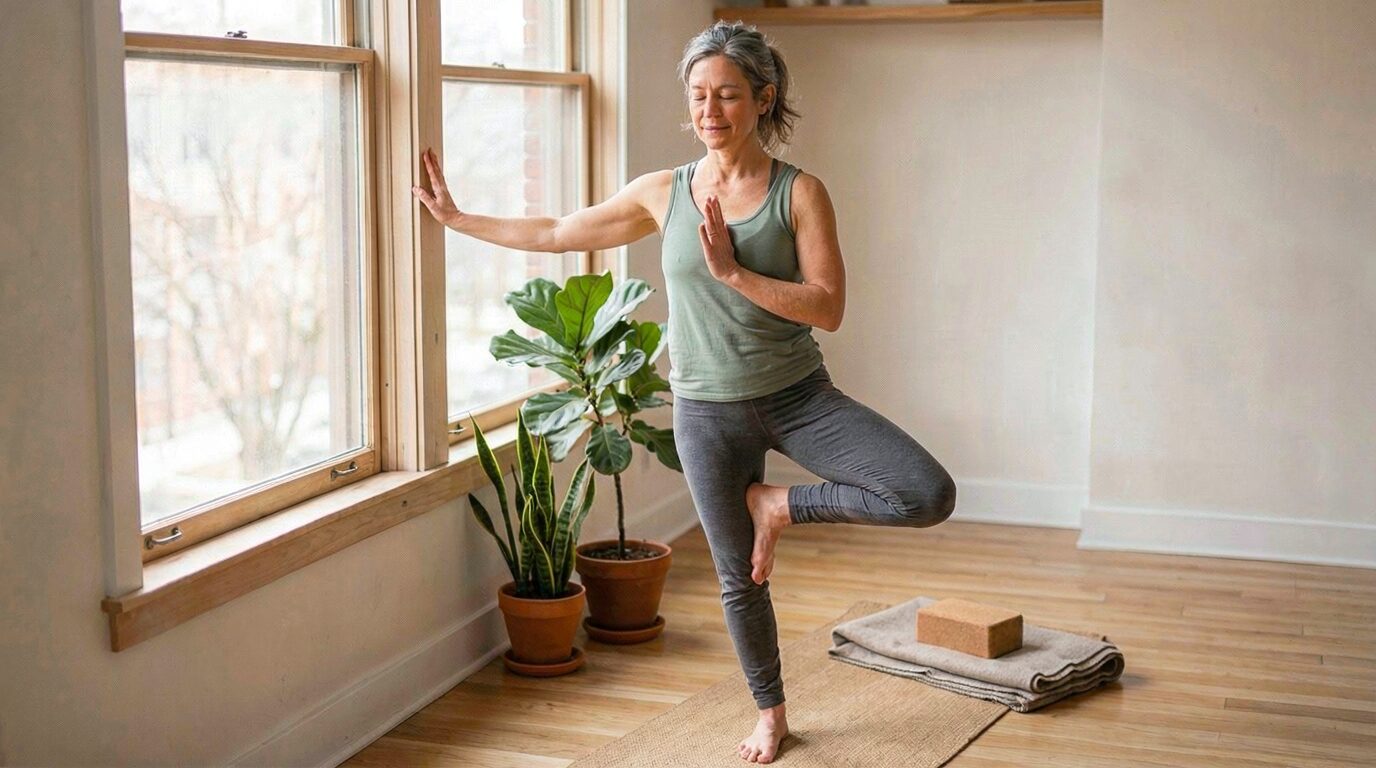
Yoga has travelled a long journey. It began as an ancient Indian practice rooted in discipline, breath, movement, and inner balance. Over time, it moved beyond ashrams and traditional learning spaces. Today, yoga is practiced in homes, parks, schools, offices, hospitals, wellness retreats, fitness studios, and online classes across the world.
People now see yoga in many ways. Some practice it for flexibility. Some follow it for better posture. Some use it for mobility, strength, breathing, balance, or daily body care. In the mainstream wellness world, yoga has become one of the most accepted practices because it feels accessible to people at different ages and fitness levels.
For people after 40, yoga has become even more meaningful. This is the age when the body begins to experience stiffness, slower recovery, tight joints, changes in posture, and reduced flexibility. Gentle yoga supports healthy aging by helping the body move with more comfort, control, and confidence.
What Makes Yoga Helpful for Healthy Aging
Yoga supports healthy aging because it works on many areas of the body at the same time. It improves flexibility, strengthens muscles, supports balance, builds posture awareness, and encourages controlled movement.
Many exercises focus mainly on speed, weight, or intensity. Yoga focuses on control, alignment, breathing, and movement quality. This is helpful for people who want to stay active after 40 without overwhelming their bodies. Yoga also helps you understand your body better. You begin to notice which side feels tighter, which joint feels less mobile, and which movement needs more care. This awareness is important because the body often gives early signals before discomfort becomes a bigger concern.
How Gentle Yoga Supports Joint Health and Mobility
Joint health requires regular and safe movement. When joints move through a comfortable range, they stay more active and supported. When joints remain inactive for long periods, stiffness can increase.
Gentle yoga supports joint mobility through slow and controlled movements. Simple actions like ankle circles, wrist rotations, Cat Cow, seated twists, hip stretches, and shoulder rolls can help the body feel more open and less restricted.
Yoga also supports the muscles around the joints. Stronger muscles can reduce pressure on the knees, hips, shoulders, and spine. This matters after 40 because weak muscles can make the joints work harder during daily movement. For example, tight hips can affect walking and lower back comfort. Weak thighs can make stairs feel harder. Stiff shoulders can make reaching, lifting, or carrying things uncomfortable. Gentle yoga works on these areas step by step.
How Yoga Improves Balance and Posture After 40
Balance becomes more important as the body ages. Good balance helps a person walk confidently, stand safely, change direction easily, and reduce the risk of falls.
Yoga improves balance because it trains the body to stay steady. Simple poses like Tree Pose, Warrior Pose, Chair Pose, and heel raises can support the legs, ankles, hips, and core. Beginners can use a wall or chair for support. Posture also needs care after 40. Prolonged sitting, phone use, driving, and desk work can pull the shoulders forward and make the upper back feel rounded. Poor posture can add pressure to the neck, spine, and lower back.
Yoga helps improve posture by bringing attention to the spine, shoulders, chest, hips, and core. Gentle back stretches, chest-opening movements, and core-strengthening poses can support better alignment over time.
Simple Yoga Practices to Start After 40
Starting yoga after 40 should feel practical, safe, and easy to follow. The aim is not to perform advanced poses. The aim is to help the body move better, reduce stiffness, improve balance, and support daily comfort.
A good yoga routine after 40 should include five basic areas:
- Joint mobility
- Spinal movement
- Hip and leg flexibility
- Balance and strength
- Breathing and recovery
Begin With Joint Mobility to Wake Up the Body
Many people after 40 feel stiff in the morning or after sitting for long hours. This often happens because the joints do not get enough regular movement during the day.
Start your yoga routine with small mobility movements. Neck turns, shoulder rolls, wrist circles, ankle rotations, and gentle knee bends can prepare the body for deeper movement. These simple practices help the joints move through a comfortable range and make the body feel less tight. This step is important because jumping directly into stretches can feel uncomfortable when the body is stiff. Gentle joint movements give the body a smoother start.
Use Cat Cow for Spinal Mobility
The spine needs regular movement because long sitting, screen time, driving, and poor posture can make the back feel tight. Cat Cow is a gentle yoga practice that helps the spine move forward and backward in a controlled way.
This movement can support back mobility, improve body awareness, and reduce the heaviness many people notice in the neck, shoulders, and lower back. Move slowly and focus on comfort. The spine should feel active, not forced.
Add Supported Stretches for Hips and Legs
The hips and legs play a big role in walking, standing, bending, and climbing stairs. After 40, tight hips and weak leg muscles can affect daily movement and lower back comfort.
You can include supported low lunges, a seated butterfly stretch, and gentle hamstring stretches. These practices can help open the hips, stretch the thighs, and improve lower-body mobility. Use support when needed. A cushion, wall, yoga block, or chair can make these movements easier and safer.
Build Balance Slowly Through Standing Poses
Balance is an important part of healthy aging. It supports walking, standing, turning, and moving confidently in daily life. Start with the supported Tree Pose. Stand near a wall or hold a chair while practicing. You can also add Chair Pose and Warrior Pose to strengthen the legs, hips, and core.
Do not worry if your balance feels weak at first. Balance improves through regular practice. The goal is to train the body to feel more stable over time.
End With Slow Breathing and Rest
A yoga routine should end calmly. After movement, sit or lie down and take slow breaths. This helps your body settle and gives you time to notice how it feels. Rest also makes the practice feel complete. It helps you build a better connection with your body, which is important for Healthy Aging.
If you have chronic pain, joint problems, recent surgery, heart concerns, dizziness, or balance issues, seek guidance before starting. A health & wellness Coach or a trained yoga professional can help you choose safe movements based on your age, physical condition, and comfort level.
Final Say!
Growing older is natural. Losing mobility, balance, and body confidence should not be accepted without effort.
Gentle yoga gives you a practical way to stay active after 40. It helps you do that through gentle movement, better balance, improved posture, and regular mobility work. Small daily practice can support long-term comfort and confidence.