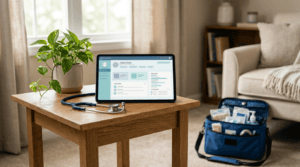





The year 2026 will bring major transformations to the healthcare industry. Artificial intelligence now supports diagnoses, and digital platforms continue to redefine patient care across every healthcare setting. Change is advancing rapidly, and you must learn to move with it if you want to grow in your career. By 2026, healthcare will demand professionals who are skilled, adaptable, and ready to lead through innovation. So, you need to understand your current strengths, identify areas for improvement, and take intentional steps to develop the skills you need to stay competitive. Leadership Coaching can guide you through this journey by helping you assess your abilities, refine your mindset, and prepare for the opportunities that the future of healthcare will bring. In this blog, we will explore the six essential skills you must master to advance your career and earn that well-deserved promotion in 2026.
Discover the Essential Skills You Need to Develop to Become a Successful Healthcare Professional in 2026
1. Emotional Intelligence
Emotional intelligence is one of the strongest indicators of success in healthcare. Every day, professionals interact with patients who experience fear, pain, or confusion. The ability to stay calm, listen with empathy, and respond thoughtfully strengthens patient relationships and builds trust. Emotional intelligence also improves teamwork because it teaches you how to handle stress, conflicts, and diverse personalities.
A Leadership Coach can help you improve your emotional intelligence through guided exercises, reflection, and feedback. By better understanding your emotions and reactions, you enhance your professional presence and deliver care that truly connects with patients. In 2026, this quality will remain one of the most valued traits in healthcare leaders.
2. Adaptability to Change
You must build adaptability if you want to stay competitive in modern healthcare. The systems, tools, and methods you use today will look very different by 2026. New technologies, evolving treatment models, and global health challenges require you to think fast and adjust easily. Professionals who adapt quickly earn trust and open doors to leadership opportunities.
Start strengthening this skill by accepting change as a part of progress. Learn to approach new processes with curiosity, not hesitation. Enroll in workshops, explore telemedicine tools, and stay informed about healthcare policy updates. If you feel confused, you can consult a career counselor, who can help you identify your growth areas, plan your learning path, and stay focused on long-term goals. Adaptability gives you the edge to lead with confidence in a constantly shifting environment.
3. Strong Communication Skills
Clear and effective communication can prevent medical errors, enhance teamwork, and improve patient outcomes. Whether you are explaining treatment plans, writing reports, or coordinating with colleagues, communication shapes how others perceive your competence. It requires both speaking and active listening.
Leadership Coaching often emphasizes communication as a key area of professional growth. Learning how to express complex medical information in simple terms helps patients understand and trust you. Developing this skill also enhances your influence as a team member and prepares you to lead meetings, delegate responsibilities, and build collaboration across departments.
5. Critical Thinking and Problem Solving
Critical thinking enables healthcare professionals to make better judgments in time-sensitive situations. It involves analyzing data, evaluating patient symptoms, and drawing logical conclusions to improve outcomes. Strong critical thinkers question assumptions, understand patterns, and choose the most effective approach to every challenge.
Problem-solving builds on critical thinking by encouraging practical solutions. It helps you identify the source of a problem, assess the available options, and apply the most suitable strategy. Personal development Coaching can guide you through real-life healthcare scenarios that improve your analytical ability and strengthen your decision-making process. When you sharpen these skills, you become more confident in handling emergencies and delivering safe, reliable care.
6. Digital and Technological Literacy
You must take digital literacy seriously if you want to succeed in the next generation of healthcare. Technology now drives everything from patient records to diagnosis and treatment planning. Professionals who understand and use technology efficiently work faster, make fewer errors, and stand out in their organizations.
Begin by mastering electronic health record systems, telehealth platforms, and data analysis tools. Keep learning about AI-based healthcare applications that will soon become industry standards. Those who embrace technology become more productive and better prepared for advanced roles. Make digital learning a consistent part of your professional growth. Employers value professionals who can combine medical knowledge with technological expertise, and by 2026, this combination will be essential for career advancement.
7. Time and Stress Management
You must manage your time and stress effectively to sustain a successful healthcare career. The demands of this field are intense, and poor management can lead to exhaustion and burnout. Professionals who organize their schedules and manage pressure skillfully perform better, think clearly, and maintain composure in emergencies.
Begin by identifying what tasks require immediate attention and what can wait. Learn to prioritize responsibilities and protect time for rest and recovery. Leadership Coaching can help you build daily habits that improve focus, reduce fatigue, and strengthen emotional balance. When you master time and stress management, you increase your
productivity, safeguard your mental health, and set yourself apart as a reliable, resilient professional who can handle any challenge.
Final Thoughts!
The future of healthcare will belong to professionals who continue to learn, lead, and adapt. By 2026, the industry will require professionals who think critically, communicate clearly, manage change effectively, and guide others with confidence while having medical knowledge.
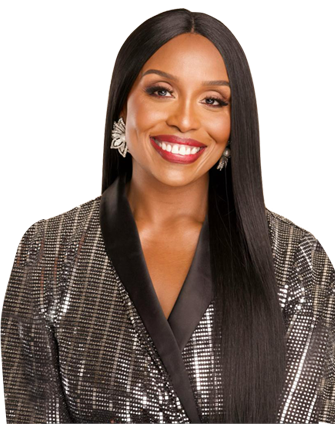
If you truly want to strengthen these abilities and reach your full potential, connecting with Shannon Jackson, known as The People’s Nurse, is one of the best decisions you can make. Shannon’s journey is an inspiring example of what growth, resilience, and leadership look like in real life. She began her path as a teen mom who refused to let circumstances limit her dreams. Through dedication and determination, she became the first California-registered nurse in her family and went on to build a powerful career as a global nurse leader, motivational speaker, and leadership coach.
Today, Shannon uses her years of healthcare experience and leadership wisdom to help professionals like you unlock confidence, direction, and balance in both career and life. Her Leadership Coaching and Career Coaching sessions empower healthcare workers to lead with purpose, build emotional resilience, and prepare for real-world challenges in the modern healthcare system.
If you are ready to take charge of your future, connect with Shannon Jackson and begin your journey toward becoming a more confident, capable, and future-ready healthcare professional.